Bedrock Energy, an Austin, Texas, company that builds automated drilling rigs for geothermal heating and cooling, said on 16 November 2026 that it had raised $24m in a round led by Clean Energy Ventures and Clearvision Ventures.
New investors GVP Climate, Susquehanna Sustainable Investments, Catalytic Capital for Climate and Health (C3H) by Temasek Trust, MUUS, Great Wave Ventures and the Autodesk Foundation joined. Titanium Ventures, Energy Impact Partners, Wireframe Ventures, Elemental Impact and SFV Capital returned. The company did not name the round or disclose a valuation, revenue or headcount.
TechCrunch, which reported the raise the same day, described it as a new funding round that followed a $12m Series A in 2025 and an $8.5m seed round in 2023. ThinkGeoEnergy reported the same earlier rounds.
“Building setbacks and parking lots represent gigawatts of thermal energy that can offset billions in grid upgrades and create billions in property value.”Joselyn Lai, Co-founder and CEO, Bedrock Energy
What Bedrock does
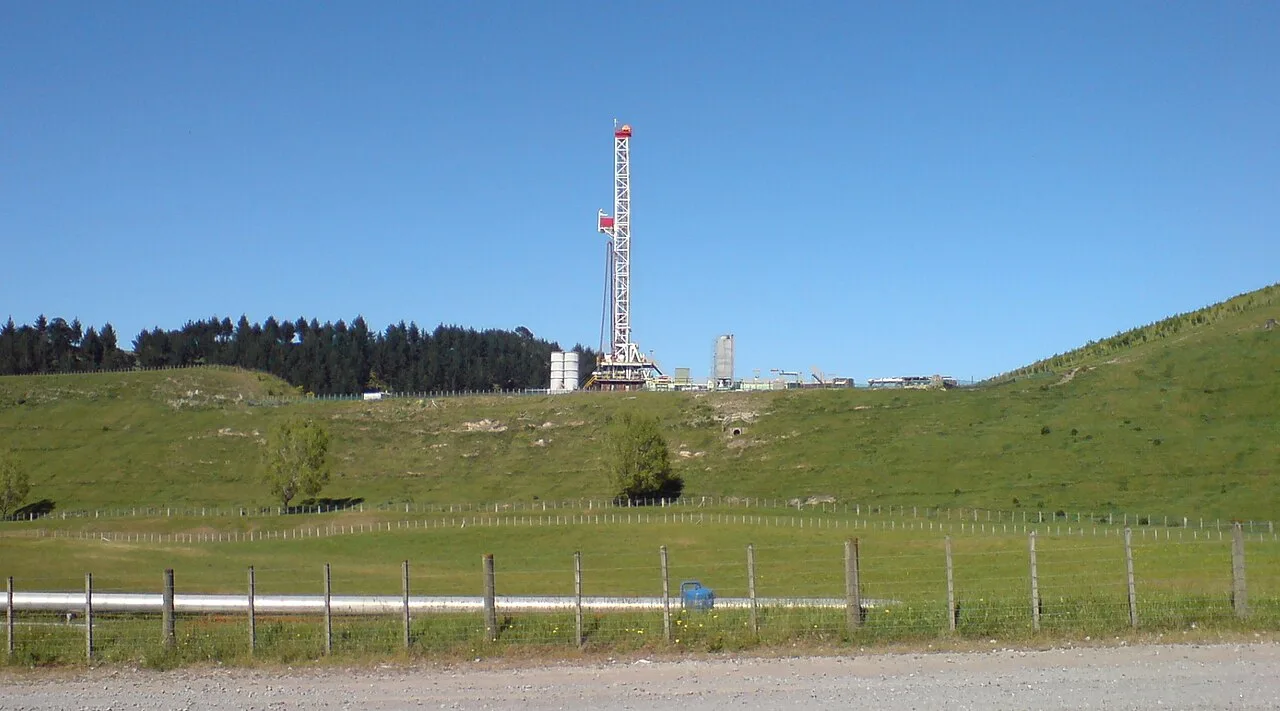
Geothermal heat pumps use the steady temperature of the ground to heat buildings in winter and cool them in summer. TechCrunch noted that few US buildings use them, partly because drilling is expensive. Bedrock drills holes of up to about 1,000 feet, according to TechCrunch, using directional drilling methods taken from oil and gas and guided by its own models of the rock below. Sensors in the holes feed data back into those models.
The company said its rigs read more than 35 sensor streams downhole and use machine learning to adjust drilling as rock types change. In its release, Bedrock said this lets it deliver heat and cooling on site at up to 50% lower cost, while doubling drilling speeds and halving the number of boreholes needed compared with conventional methods. TechCrunch gave a different figure, reporting the company's claim that its rigs can cut drilling times by up to 80%.
Bedrock said it had three more patents approved in the past six months. It also offers what it calls a Digital Thermal Response Test, which it said saves developers nearly $100,000 at the feasibility and design stage because they no longer need to rely on data from a single test bore.
Where it operates and what the money is for
Bedrock said it had completed projects in five states and expects to work in several new states in 2027. TechCrunch reported that it operates in Utah, Colorado, New York, Alberta and Texas, has drilled boreholes at nine sites and has taken payments from new customers for drilling over the next year or two. ThinkGeoEnergy said the company's first project, unveiled in 2024, was a borehole field serving a mixed-use campus in Austin.
The company said the money will grow its delivery footprint, speed up work in Texas and the Mountain region and take it into the Northeast and Midwest. Chief executive Joselyn Lai told TechCrunch that the expansion would cover New England, New Jersey, the upper Midwest and more Western states, and that Bedrock would add rigs to its fleet to serve them.
Bedrock has focused on commercial property so far, but Lai told TechCrunch it had also been talking to data centre developers. Some are interested in cooling, while others see geothermal systems on nearby sites as a way to free up grid capacity sooner.
Who invested
Daniel Goldman, co-founder and managing partner of Clean Energy Ventures, said in the release that Bedrock had already shown the business works commercially. Thomas Englis, a partner at Clearvision Ventures, said the company could turn geothermal heating and cooling into an infrastructure asset with long-lived, predictable cash flows that attracts institutional capital.
Bedrock was co-founded by Lai and chief technology officer Silviu Livescu, who said the company is turning low-temperature geothermal drilling into an automated process that can be monitored in real time.
Company website: bedrockenergy.com