Ganiga, an Italian startup that uses AI and robotics to sort and measure waste, has raised €1.5m (about $1.7m) in an equity round. It announced the round on 20 October 2026.
Vivenda, an Italian catering company, led the round. The London investor NextSTEP and three business angels also took part, according to Tech.eu and Teleborsa.
Tech.eu reported the total as €2.5m, a figure that also includes a €1m grant from Invitalia's Smart&Start Italia programme. The company did not say what stage the round was or disclose a valuation.
“The new EU directive makes food waste reduction a binding target, and you cannot reduce what you do not measure.”Nicolas Zeoli, Founder and CEO, Ganiga (to Tech.eu)
What Ganiga does
Ganiga started with robots that recognise and sort waste for separate collection. Teleborsa reported that the business grew out of Zeoli's software experience in industrial robotics, and that data from those robots helped train the algorithms it now applies to food waste.
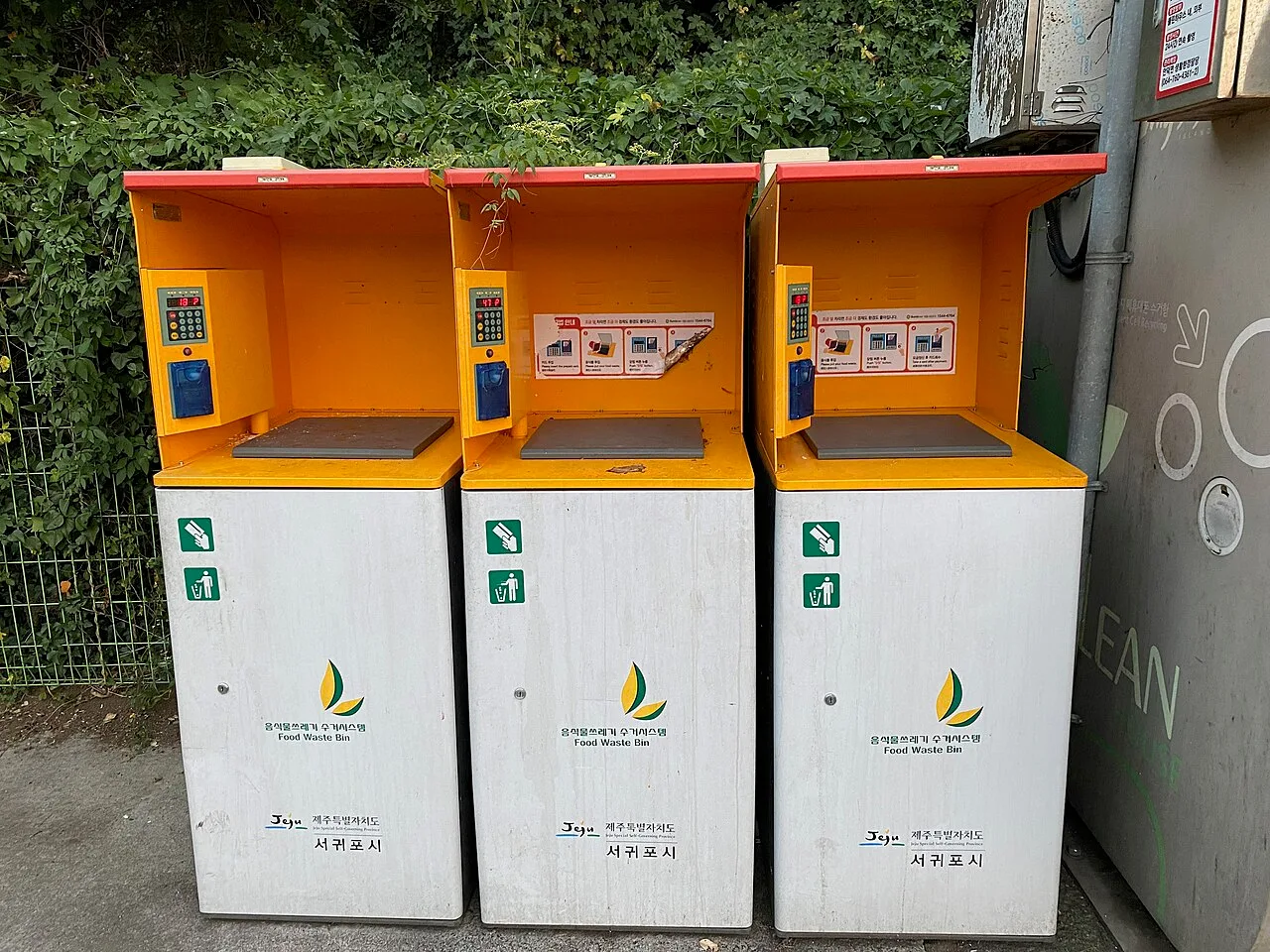
Ganiga makes smart bins that use cameras and AI to recognise what is thrown away, and software that turns that into data. Its HooolyFood product is aimed at collective catering, such as school and company canteens, and measures how much food goes uneaten. In HooolyFood, a camera mounted above the bins identifies discarded food without weighing it. Ganiga built the product in just under a year. A data platform gathers readings from its devices into one dashboard that shows the type and amount of waste, estimates its cost and tracks how full containers are.
The company says it has sold more than 300 devices to places such as airports and shopping centres in Italy, elsewhere in Europe, Japan and Australia, and that HooolyFood runs on more than 30,000 meals a day, Tech.eu and Forbes Italia reported. Its Hoooly smart bins are in a pilot at Milan's Malpensa and Linate airports, run by SEA Milan Airports, the company said on LinkedIn.
Ganiga was founded in 2021 and was selected for TechCrunch Disrupt 2025, the company says. Its founder and chief executive is Nicolas Zeoli. The company is based in Cascina, near Pisa, and also has an office in Milan. Forbes Italia reported that Ganiga won the Google AI Award for the best AI startup in sustainability in 2025, that it is part of the Google for Startups programme and that Zeoli was on Forbes Italia's Under 30 list in 2023.
Why a caterer is leading
Vivenda serves more than 50m meals a year, according to Forbes Italia, which makes it both an investor and a large potential customer. Its president, Emilio Roussier Fusco, told Forbes Italia that collective catering needs reliable data to cut waste and run its service better. Vivenda is part of Consorzio La Cascina, according to Teleborsa.
Zeoli pointed to new European rules. "The new EU directive makes food waste reduction a binding target, and you cannot reduce what you do not measure," he told Tech.eu. Tech.eu, citing Eurostat, reported that the EU produced about 58m tonnes of food waste in 2023.
What the money is for
Ganiga said it will use the money to grow its team, develop HooolyFood and its data platform, and build recurring revenue. Zeoli told Forbes Italia the round would take a technology that already works in the field to industrial scale.
Ganiga plans to grow first in contract catering alongside Vivenda and then move into event catering, hotels and other food-service settings. It also wants to automate ingredient ordering and menu planning, and to fit its technology as sensors on existing containers to monitor municipal and other waste.
The company has not disclosed its revenue or headcount.
Company website: ganiga.ai