Zipher, a company that uses AI agents to decide how enterprise data jobs are run, came out of stealth on 24 November 2026 and said it had raised $53m across a seed round and a Series A.
The company's announcement named TLV Partners, Maor Investments and Glilot Capital as backers but did not split the total or say who led. According to Calcalist's English-language site CTech, the Series A came to $45m and was co-led by Maor Investments and Glilot Capital, with existing investor TLV Partners taking part. The remaining $8m was a seed round in August 2024 led by TLV Partners, CTech reported.
No valuation was disclosed.
“As data infrastructure has become too complex and critical to manage manually, autonomy is the inevitable next step.”Ilai Pines, Partner, Maor Investments
What Zipher does
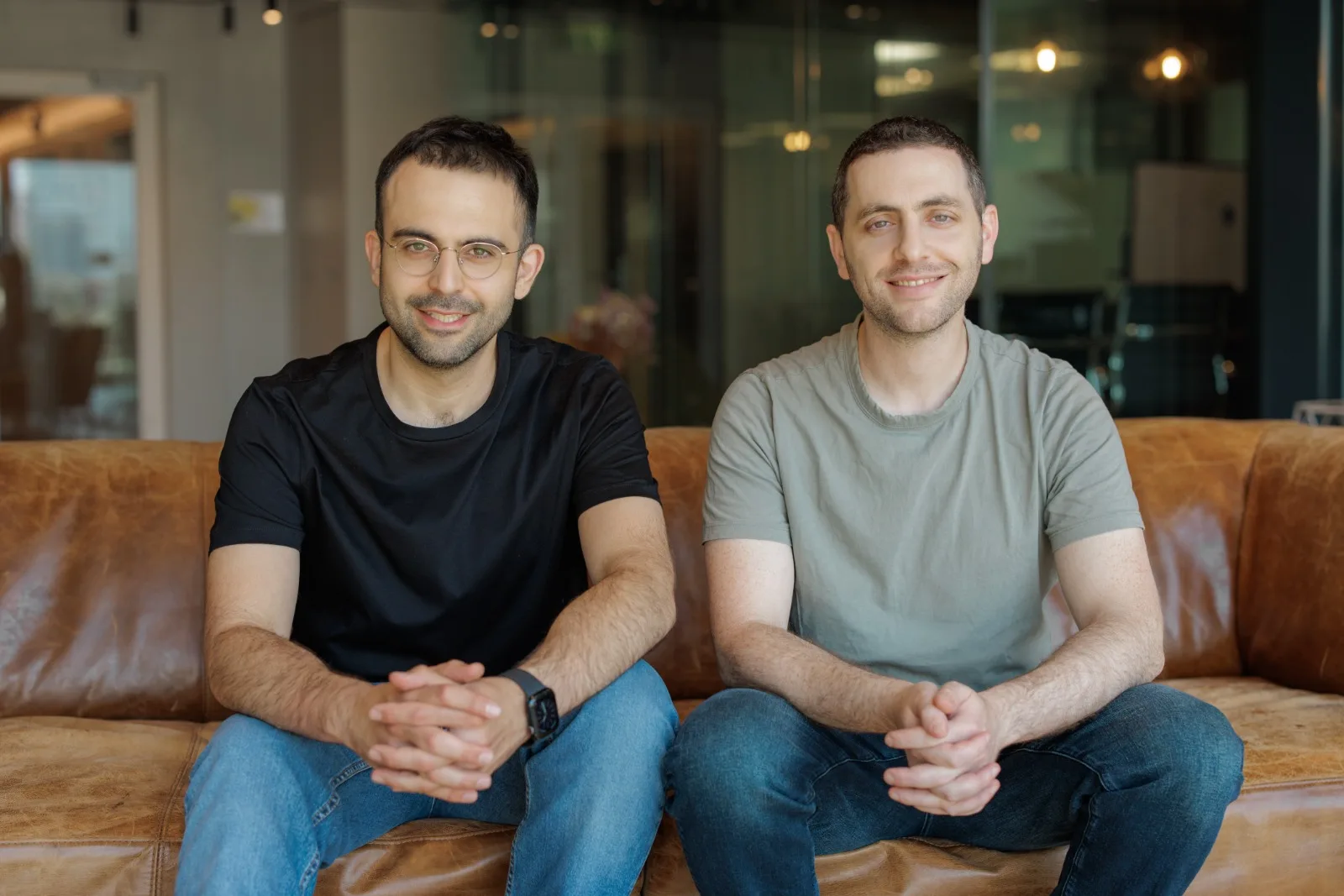
Zipher was founded in 2024 by chief executive Dan Coster and chief technology officer Yoav Ben Ephraim, both former members of the Israeli army's Unit 8200, according to CTech. The publication said the company has offices in New York and Tel Aviv, where its research and development is based, and employs 40 people.
Customers give Zipher their code, a service-level agreement and a budget. The company said its agents then learn each workload and what it depends on, and pick the engine, hardware, configuration, framework and language, as well as when and where the job runs, based on current capacity and load. Zipher said the system acts before and during each run instead of only suggesting changes to engineers.
Its website says it can route work across Spark, Databricks, DuckDB, EMR, Trino and Snowflake and that it plugs into a customer's existing stack without a migration. CTech added that the agents can also rewrite a workload so it fits the engine chosen for it. Coster told the publication that Zipher addresses a problem that "Snowflake and Databricks do not address".
Customers and results
Zipher said it has been running production workloads for Fortune 500 companies for the past two years and named car rental group Hertz as one of them. According to the company, Hertz has cut compute costs by 25% to 40%, depending on the workload. Other logos on Zipher's website include OpenWeb, The Arena Group, SciPlay, Swiggy, TripleLift, Yotpo, Integral Ad Science and ESL FACEIT Group.
The company reported cost-efficiency gains of 40% to 60% for enterprise customers, up to 80% better adherence to service-level agreements and fewer infrastructure incidents, with results usually seen within two weeks. These figures were not independently verified. CTech, for its part, reported that Zipher started selling near the end of 2025.
Gaurav Rastogi, a senior director for enterprise data analytics and BI platforms at Hertz, said in the announcement that Zipher helps the company optimise how its growing AI and agent workloads run.
Who invested
Ilai Pines, a partner at Maor Investments, said in the announcement that data infrastructure had become too complex and important to run by hand. Arik Kleinstein, co-founder and managing partner of Glilot Capital, said that until now lower compute costs had come at the price of slower and less reliable workloads.
CTech reported that angel investors and advisers include Tomer Shiran of Dremio, Barr Moses and Lior Gavish of Monte Carlo, and Clint Sharp of Cribl.
What the money is for
Zipher's own post did not say how it would spend the money. According to CTech, the funds will go towards expanding the research and development centre, growing sales and marketing as the company expands globally, and building a larger enterprise business in North America. Coster told CTech that the company is setting up its sales operation in the United States and that it sees room to build a very large company in its market.
Company website: zipher.ai