Efficient Computer, a Pittsburgh company that designs low-power processors, said on 29 September 2026 that it had agreed more than $97m in Series B financing at a valuation of $650m.
TQ Ventures led the round. Eclipse, Union Square Ventures, Giant Ventures, Triatomic Capital, TO Capital, TF Capital, Mana Ventures, Toyota Ventures, Overmatch and Borderless also took part.
The round brought the company's total funding to $173m. It came after a $60m Series A earlier in 2026.
“Every customer we meet has a version of their product they cannot build, because the compute power budget makes the new capabilities they want infeasible.”Brandon Lucia, CEO and co-founder, Efficient Computer
What Efficient Computer does
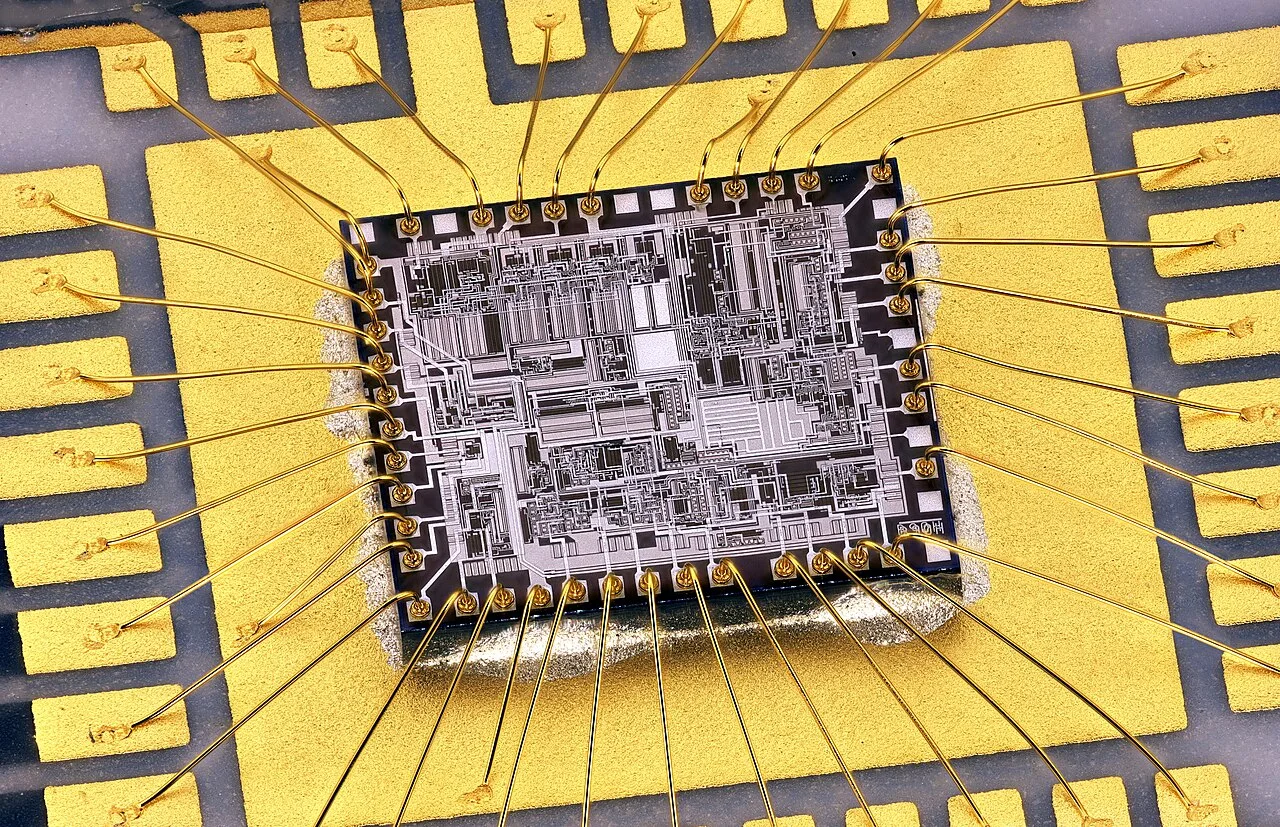
Efficient Computer builds general-purpose processors based on its own design, which it calls the Fabric architecture. The company claims the design uses 10 to 100 times less energy than conventional chips for general-purpose computing, including AI. These figures are the company's own, and it has not published independent benchmarks with the announcement.
Unlike chips built only to run AI models, the company says its processors can run ordinary software written in C, C++ and other common languages, which matters for robots and other systems that mix many kinds of workloads. It said that replacing embedded GPUs in a robot's autonomy stack with its chip could cut the energy used by ten times.
Its first product, the Electron E1, is now in volume production. Customers are using it in physical AI and autonomy, critical infrastructure monitoring, space and defence, and wearable devices. Andrew Marks of TQ Ventures said in the announcement that the team had taped out chips four times and was shipping to customers in volume.
Who is behind it
The company is a spinout from Carnegie Mellon University. Dealroom News named its founders as chief executive Brandon Lucia, a Carnegie Mellon professor, chief technology officer Graham Gobieski and chief architect Nathan Beckmann, and said Lucia began the underlying work almost ten years ago.
Efficient Computer did not disclose its headcount or revenue. Eclipse partner Greg Reichow said in the announcement that his firm had backed the company from the start.
What the money is for
Efficient said it would use the money to ship the Electron E1 in volume to its lead customers and to scale the architecture up to data-centre performance. It said data-centre systems based on the design could use more than ten times less energy than systems built today.
The company said it would keep increasing E1 production into 2027. Its pitch rests on the rising energy demands of AI, which it says limit how long robots can run on battery and require new power capacity for every new data centre.
The funding so far
Efficient Computer's $60m Series A was led by Triatomic Capital, with Union Square Ventures, Eclipse, RTX Ventures and Toyota Ventures among the participants, according to Jon Peddie Research. That round took total funding to $76m. Several investors from the Series A, including Eclipse, Union Square Ventures, Triatomic Capital and Toyota Ventures, returned for the Series B.
Company website: efficient.computer