Remedy Robotics, a San Francisco company developing robots that carry out procedures inside blood vessels, announced on 16 November 2026 that it had raised $62m in a Series B round led by DCVC.
UC Investments, which manages money for the University of California, joined as a new investor alongside Skip Capital and the Australian pension fund Hostplus. Existing backers Build Collective, the firm set up by Tony Fadell, Blackbird, Divergent Capital and KdT Ventures also added money. The Australian outlet Capital Brief additionally named the pension fund HESTA among the new investors, although the company's own release did not list it.
Remedy did not disclose a valuation. According to Capital Brief, the company was started in Australia before moving its headquarters to San Francisco.
“This funding will allow us to accelerate toward deployment of our N1 System so we can bring quality intervention to patients everywhere, regardless of geography.”David Bell, CEO and Co-founder, Remedy Robotics
What Remedy Robotics builds
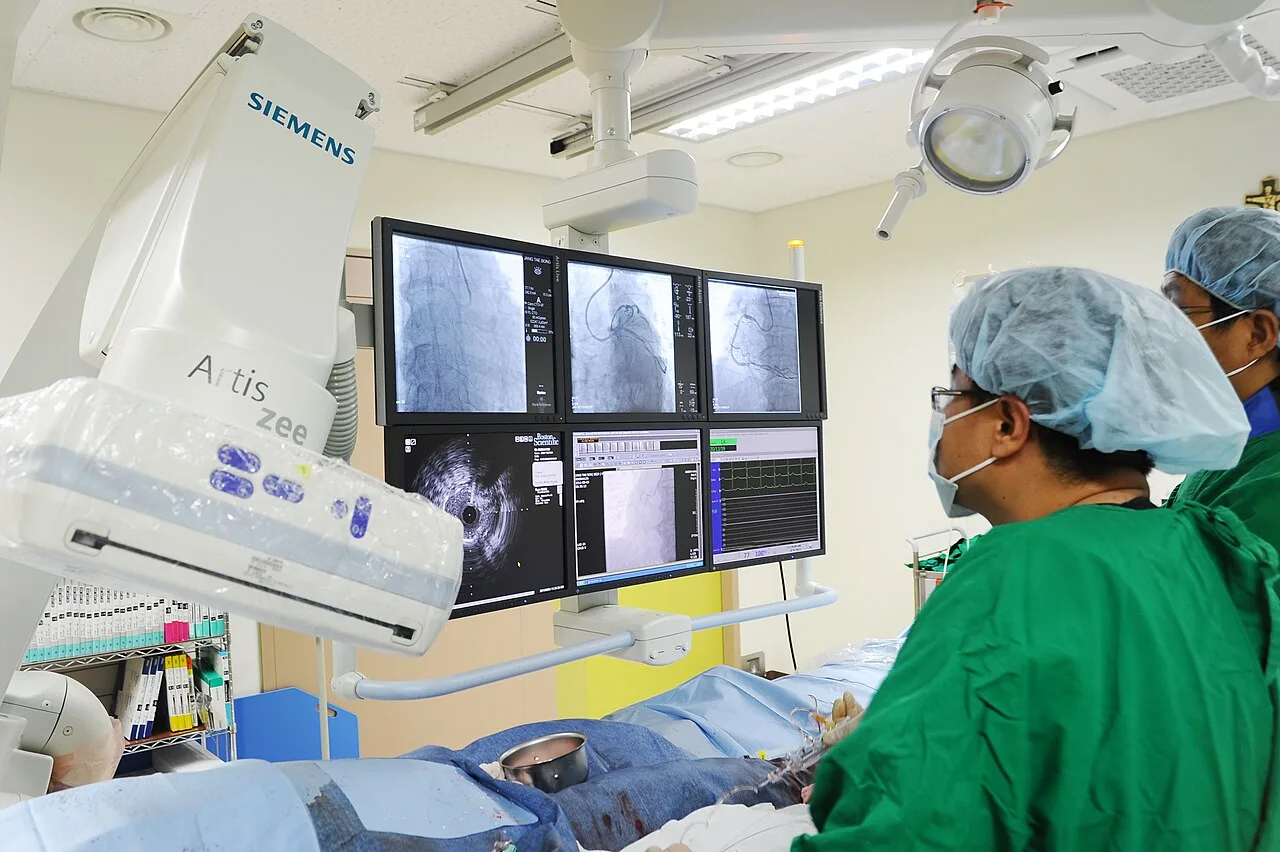
Its product is the N1 System, a robot paired with software for endovascular procedures, in which doctors thread instruments through blood vessels to treat conditions such as stroke. The company says machine learning in the system reviews scans taken before an operation, lets the team simulate the case in advance, aligns 3D and 2D images in real time and can complete a whole procedure robotically.
The system is meant to work with an operator in the room, from a distant location, or on its own. Remedy is aiming it at blood vessels in the brain, the heart and the rest of the body. The N1 is still in development and is not cleared for sale or clinical use in any country.
Remedy said its first procedures in humans took place in December 2024, and in October 2025 it reported what it described as the first fully remote neurointerventional procedures. It now works with more than 100 hospitals and holds 48 patents, according to the release.
Chief executive David Bell is a cardiothoracic surgeon, according to investor Blackbird, and chief technology officer Jake Sganga holds a Stanford PhD focused on surgical robotics, computer vision and mechanical engineering.
The access problem
Remedy's case rests on how few patients reach this kind of treatment. Endovascular treatment is the standard of care for stroke and many other cardiovascular emergencies, but only specialist doctors at a limited number of hospitals can perform it. The company cited estimates that just 2.8% of eligible stroke patients worldwide receive endovascular treatment, that cardiovascular disease kills nearly 20 million people a year, and that stroke costs about $891bn a year in medical bills and lost output.
Bell said in the announcement that care is often delayed even where specialists are available and that the funding would speed up deployment of the N1 so that location matters less. DCVC general partner James Hardiman said the company was focused on practical clinical problems as well as technology.
What the money is for
The largest item is a planned pivotal clinical trial run across the University of California network, part of Remedy's effort to win FDA approval for neurovascular procedures. Sganga said the company has worked with UC clinicians since 2021.
Remedy will also place prototype N1 systems with its clinical partners, including SVIN Mission Thrombectomy, a stroke-access initiative that has named Remedy its exclusive robotics partner, and the Australian Stroke Alliance. The rest of the money will go into further AI features, including fully autonomous operation.
The funding so far
In 2025 Remedy disclosed $35m in combined seed and Series A funding, according to a post by DCVC, which led the seed round. The company has not published a total for all of its funding, and it has not disclosed its headcount.
Company website: remedyrobotics.com