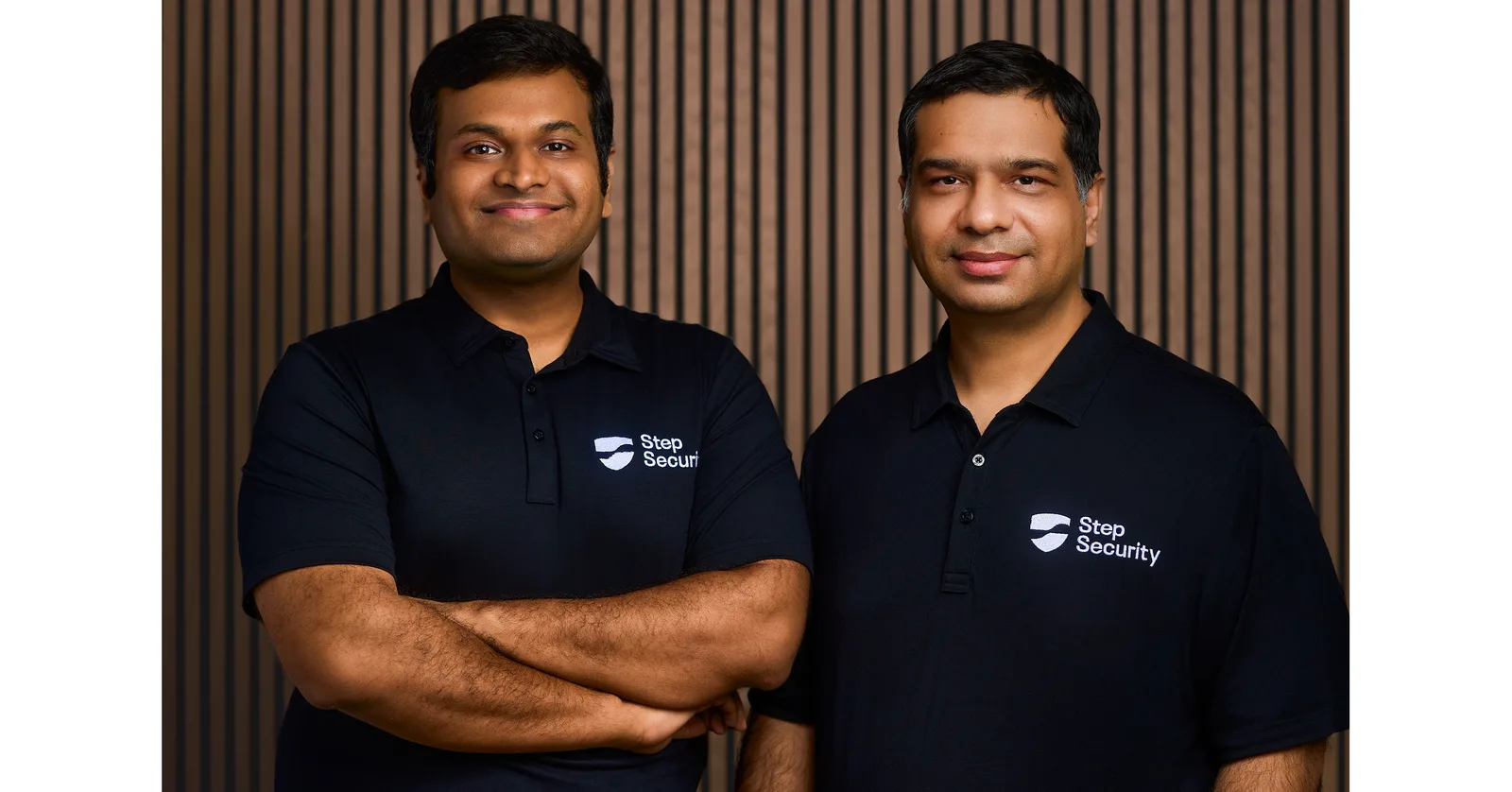
StepSecurity, a Seattle cybersecurity company that protects the tools and pipelines used to build software, said on 18 November 2026 that it had raised an oversubscribed $20m Series A round led by Elephant.
Existing investors Runtime Ventures, Inner Loop Capital and SaaS Ventures also took part. Together with an earlier $3m seed round, the funding brings the company's total to $23m. StepSecurity did not disclose a valuation or headcount.
Security Brief also reported the round, with the same amount, lead investor and total.
“We founded StepSecurity in 2021 because we wanted security teams to have visibility and protection in the environments where software gets built,”Varun Sharma, Co-founder and CEO, StepSecurity
What StepSecurity does
Software supply chain attacks target the code and tools developers rely on rather than finished applications. Attackers publish malicious packages, abuse automatic install scripts or take over developer accounts in ecosystems such as npm and PyPI. StepSecurity's platform tries to stop such code at several points: on developer machines and AI coding agents, in code repositories, in package registries and on the CI/CD runners that build and test software.
Its products include developer-machine protection, repository checks, a Secure Registry for packages and Harden-Runner, a tool for CI/CD pipelines. The company argues that if a malicious component gets past one layer, another should catch it. In its announcement it pointed to several recent incidents, including a breach at Binance in October 2026 that began with a compromised developer laptop and a tampered copy of an AI coding extension served on a marketplace.
Enterprise customers named by the company include Circle, Dexcom, Kong, Mercari, Chainguard and XBOW. More than 20,000 open-source projects use Harden-Runner's free community tier. Alongside the funding, StepSecurity launched a free community tier of Secure Registry, which lets any public repository using Harden-Runner pull packages through the registry and block compromised ones.
Growth and the founders
StepSecurity said its annual recurring revenue grew five times in 2024 and five times again in 2025, and that it had already passed fivefold growth in 2026. It did not give revenue figures.
The company was founded in 2021 by Varun Sharma, its chief executive, and Ashish Kurmi, its chief technology officer, who previously worked in security roles at companies including Microsoft, Uber and Plaid. Kurmi said customers tended to adopt one product and then ask the company to protect the next stage of their development process.
Matt Tanenblatt, a partner at Elephant, said the founders had built a platform that keeps malicious packages from getting past key control points, and described the market for it as large and growing quickly.
What the money is for
StepSecurity said it would spend the Series A in three areas. It plans to grow its engineering team, deepen existing products and extend protection to new environments that customers want covered, such as sandboxes where AI agents run. It will expand its security research team so it can spot attacks early and turn findings into protections. It will also widen its sales and marketing to keep up with demand.
The company raised its $3m seed round in 2024, led by Runtime Ventures, according to its own blog post about that round.
Company website: stepsecurity.io