Moffett AI, a Shenzhen company that designs AI inference chips, closed a Series C+ round of nearly RMB 1bn (about $138m), TechNode reported on 3 November 2026. The round came about five months after the company raised a similar amount in an earlier round.
The new investors named by Eastmoney were Renai Capital, Haitang Fund, Dongheng Petroleum, Biqiu Capital, Paila Capital and Zhongcai Capital. No lead investor and no valuation were reported. The two rounds together bring the company's funding to nearly RMB 2bn, according to a report in Chinese outlet Eastmoney that cited the STAR Market Daily and Caixin.
The company said it will use the money to upgrade its sparse-computing inference chips, to research next-generation processors and to work with research institutions and industry partners.
What Moffett AI builds
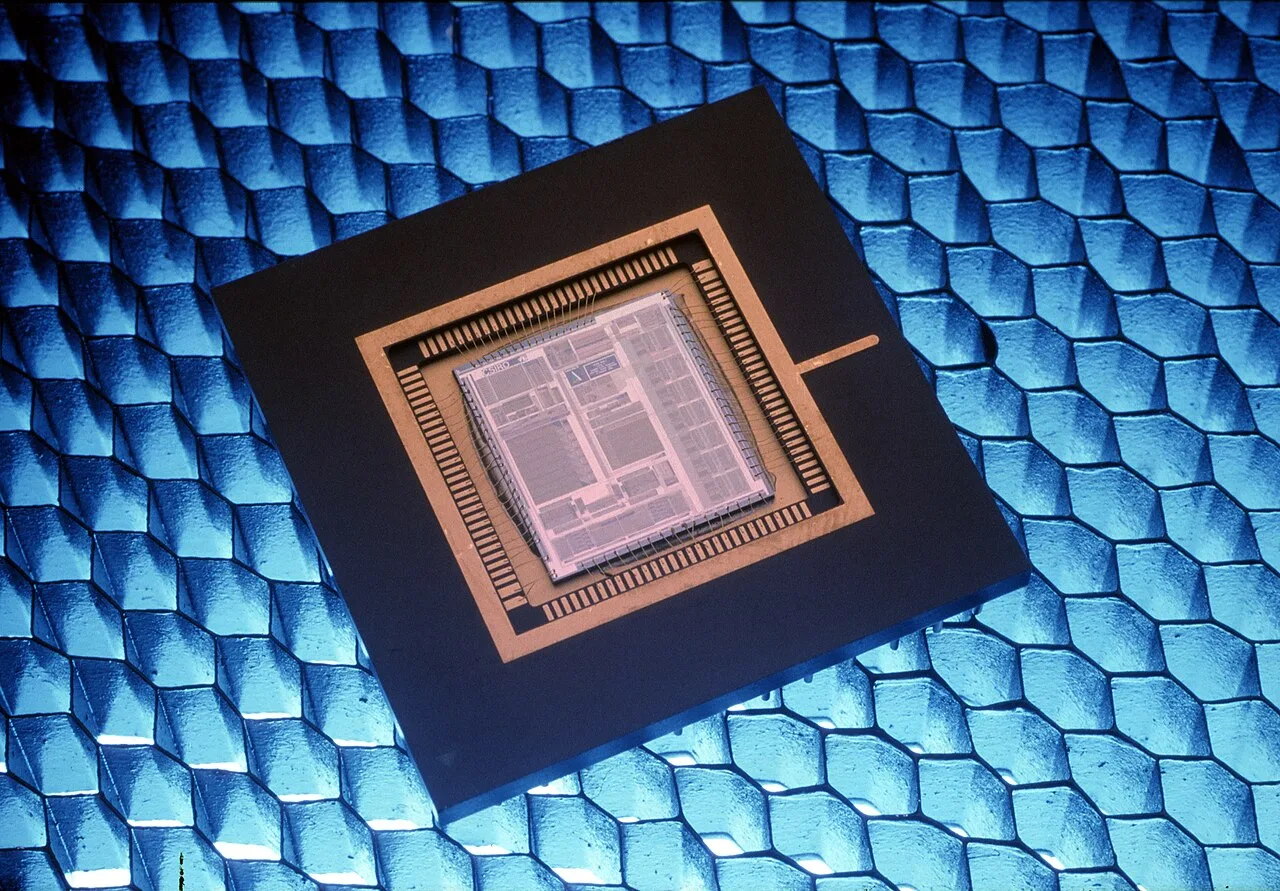
Moffett designs inference chips that use sparse computing, a technique that cuts redundant calculations so that running a trained model costs less. Eastmoney said the company sells chips, compute cards and supporting software for data centres and industry customers. Its S4, S30 and S40 cards use one, three and four of its Antoum chips respectively, and the S40 targets data-centre inference for image and video work.
The company was founded in 2018 and is headquartered in Shenzhen, Eastmoney reported. Its founder and chief executive is Wang Wei, who holds a master's degree in electrical and computer engineering from Carnegie Mellon University and previously worked at Qualcomm and Intel. Co-founder Lu Yong worked at SK hynix and Marvell.
Deployments and the product roadmap
TechNode said Moffett has deployed inference clusters in four regions of China and has partnerships with telecommunications operators. Eastmoney named the regions as Northwest, Southwest, East and North China, and said one major telecom operator is including the company's sparse-computing solution in its compute services. The company is also taking part in a Shanghai state-owned offshore compute project that Eastmoney called a token factory.
The next-generation SP200 compute card is due before the end of 2026. Moffett also plans an upgraded version of its SECA software stack aimed at deploying large models, and a move from selling cards to delivering whole compute systems, including data-centre projects with local governments and compute centres.
Eastmoney reported that the company said revenue in the third quarter of 2026 grew several-fold, but it did not disclose revenue figures or the period it was comparing against.
The earlier round and the market
The earlier round of nearly RMB 1bn was disclosed in May 2026 as a Series C. Eastmoney listed Shenzhen Capital Group, Greater Bay Area Common Home, Lidin Capital and Yunsheng Capital among its investors, with existing shareholders also taking part.
Other Chinese inference-chip developers have also raised large rounds recently. Eastmoney cited Xiwang, which raised RMB 2bn in August at a post-money valuation of about RMB 20bn, and Weina Core, which raised more than RMB 1bn in a C2 round on 28 October led by CDIB Capital.