Soctera, a spinout from Cornell University that makes semiconductor power amplifiers, raised a $4m seed round led by Anorak Ventures and Multiball Capital, announced on 11 August 2026.
9Yards Capital, Mana Ventures and Red Bear Ventures also took part, according to the company's announcement and Pulse 2.0. No valuation was disclosed.
Hickman said in the announcement that the demand from radar and satellite builders is already running ahead of what existing amplifiers can supply.
“The people building next-generation radar and satellites are already asking for more than any amplifier can deliver.”Austin Hickman, co-founder and CEO, Soctera
What Soctera builds
Power amplifiers set the range and fidelity of wireless signals in radar, electronic warfare, satellites and telecom networks. Heat is a limit on how much power they can deliver and how reliable they stay, and Soctera works at the semiconductor level to manage it.
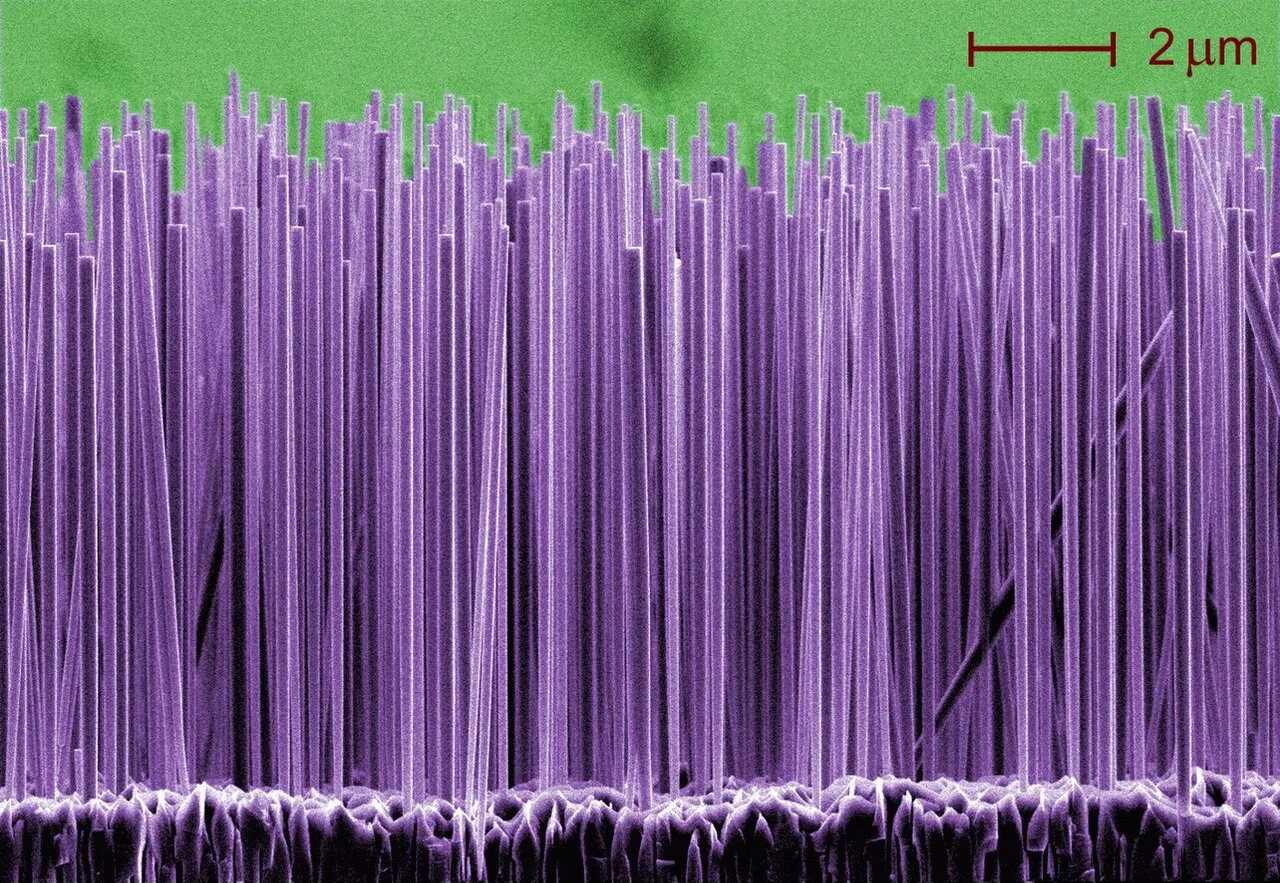
The company says it jointly optimises the chip's electrical and thermal behaviour. According to Soctera, this reduces the gallium nitride content in each device by a factor of 20 and halves thermal resistance. Those are company claims and were not independently tested.
Austin Hickman, co-founder and chief executive, said the people building next-generation radar and satellites are already asking for more than any amplifier can deliver.
The company's announcement frames the cut in gallium nitride per device as the route to amplifiers that handle more power without overheating.
Where it came from
Soctera was spun out of Cornell's Jena-Xing group, a research lab focused on wide bandgap electronics. Before the seed round it had received more than $4.2m in non-dilutive funding from the National Science Foundation, the US Army, the US Air Force and programmes funded by the CHIPS Act.
Hickman and Reet Chaudhuri, co-founder and chief technology officer, lead the company. Chaudhuri said the design reduces the gallium nitride content in each device by 20X. The announcement did not give a founding year, a headcount or a headquarters.
The company's announcement is titled as an effort to break the thermal ceiling of defence and space systems. The non-dilutive funding came from the National Science Foundation, the Army, the Air Force and CHIPS Act programmes.
Who invested
Greg Castle, a managing partner at Anorak Ventures, said Soctera's technology will give the United States and its allies a key advantage for communication and detection.
Multiball Capital is the second lead. Neither firm's cheque size was disclosed.
What the money is for
Soctera said it will use the $4m to hire, expand manufacturing and turn its materials technology into qualified amplifier products, according to Pulse 2.0. The company's own announcement describes the aim as developing its power amplifiers, scaling the team and scaling manufacturing.
Soctera's customers would be makers of the defence and space systems named in its announcement. It did not name any customers.
Company website: soctera.com